Explanation
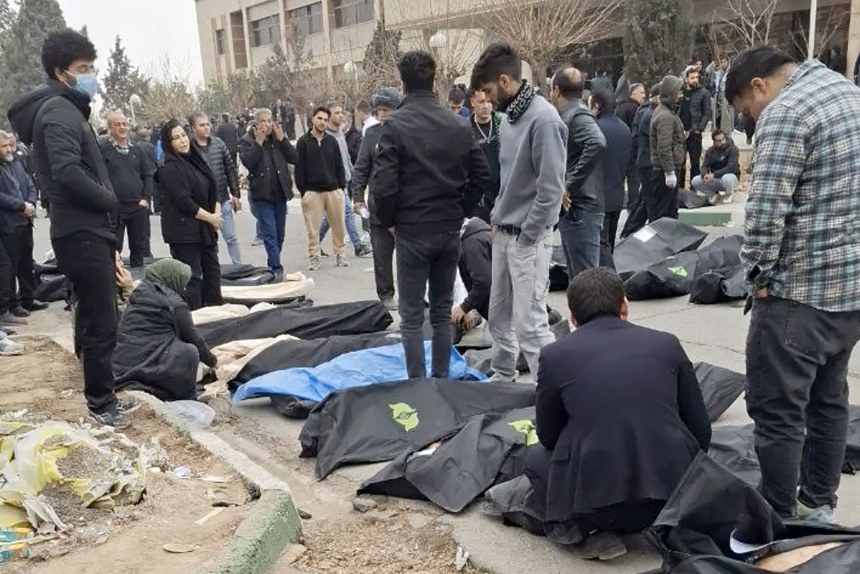
On January 8th, 2026, Iranian authorities shut down the internet in an ongoing effort to silence protesters and media outlets. This has been viewed negatively by the United Nations and multiple civil rights organizations. The shutdown does not come as much of a surprise, as the Iranian government has a history of human rights violations.
“This was a very rapid 48-hour massacre. I can’t think of anything in Iran’s own history that’s comparable, unless I go back to the 18th century. -Hadi Ghaemi, Executive director of the Center for Human Rights in Iran.
5W Notes
Who is involved?
- The Islamic Republic of Iran is responsible for the shutdown
- The Chinese government has assisted in shutting down the Internet
- Iranian citizens are the victims
- IRGC, SNSC, and MICT
What is happening?
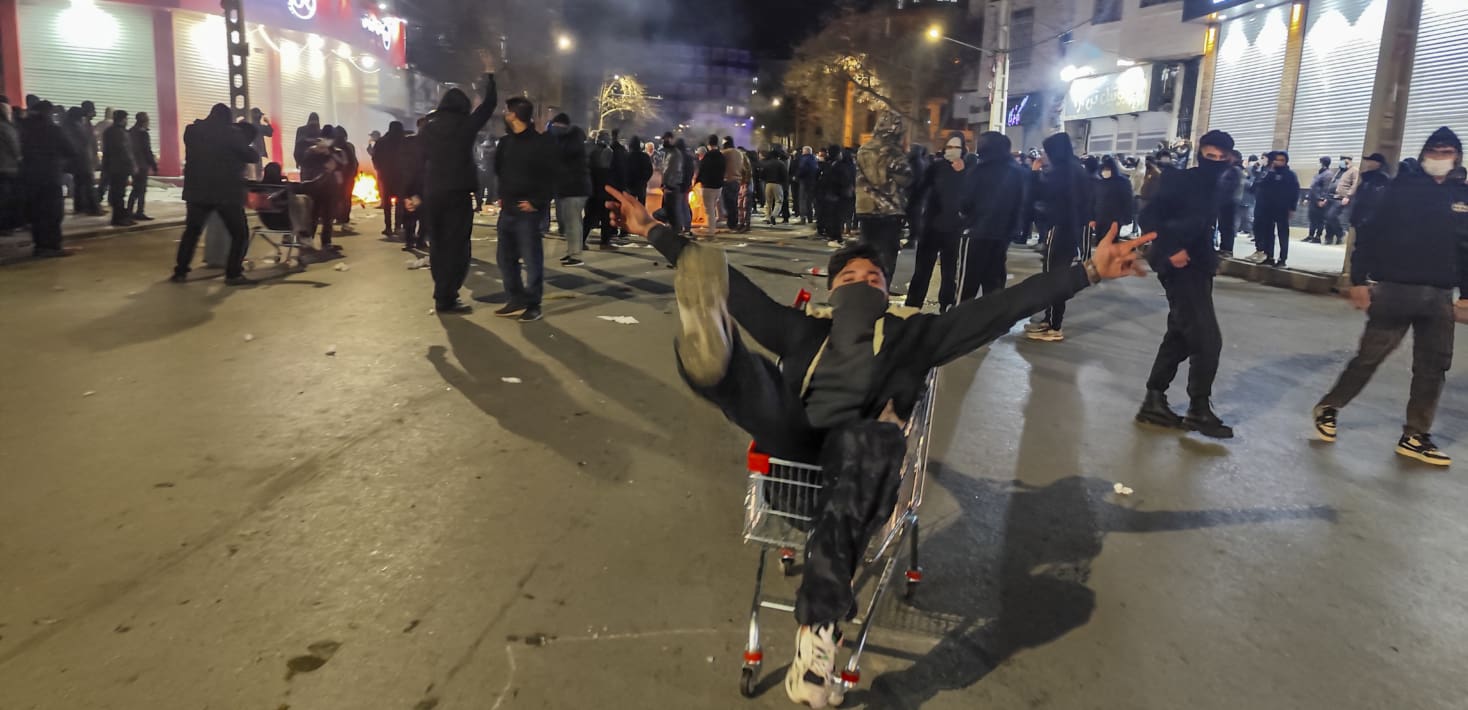
- Following protests, the Iranian government has imposed a full Internet blackout.
- The shutdown costs Iran an estimated $35.7 million a day.
When did this start?
- Internet blackout: January 8, 2026
- Protests erupted: December 28, 2025
Why is this happening?
- Preventing critical information on human rights violations from reaching the world.
- Evading accountability for protest crackdowns.
Where is this happening?
- Total outage in Tehran.
- Disruptions in Isfahan, Lordegan, Abdanan, Shiraz, and Kermanshah.
Human Rights Violations
Article 3: Right to Life, Liberty, and Security
“Everyone has the right to life, liberty and security of person.”
This relates to the Internet shutdown in Iran because of the mass genocide of protesters. The Iranian government has killed thousands of protesters and, in doing so, violated their most basic human rights. The use of lethal force by Iranian authorities regarding the ongoing protests is a direct violation of Article 3.
Article 5: Freedom from Torture
"No one shall be subjected to torture or to cruel, inhuman or degrading treatment or punishment.”
This relates to the Internet shutdown in Iran because of the use of torture by the Iranian government on protesters. Authorities have reportedly abused protesters and inflicted inhumane punishment. This is a direct violation of Article 5.
Article 18: Freedom of Thought and Belief
“Everyone has the right to freedom of thought, conscience and religion; this right includes freedom to change his religion or belief, and freedom, either alone or in community with others and in public or private, to manifest his religion or belief in teaching, practice, worship and observance.”
This is currently being violated in Iran because the Internet shutdown is preventing critical information from getting out of the country, including death tolls and human rights violations. Additionally, in Iran, peaceful protests are often dealt with using violence and torture.
Timeline of Events
Protests erupt in Tehran, Iran
28 protests killed
Internet is shutdown, ~92 million citizens affected
Reports confirm that the shutdown persists
US and Israel bomb Iran, the Supreme Leader is suspected of being dead
History of Internet Shutdowns
Iran has a history of using internet shutdowns to hide violent actions against protesters. In November 2018, the government cut off the internet during protests about fuel prices. This blackout hid the killing of at least 323 people. The same tactics were used in the 2022 “Woman Life Freedom” protests, where internet access was slowed down as security forces killed more people. The latest shutdown began on December 28, 2025, after the currency depreciated and inflation rose. By January 8, 2026, about 92 million people were cut off from the internet. This signals a dark future for Iranian citizens, as the current regime continues to avoid accountability.
Action Taken
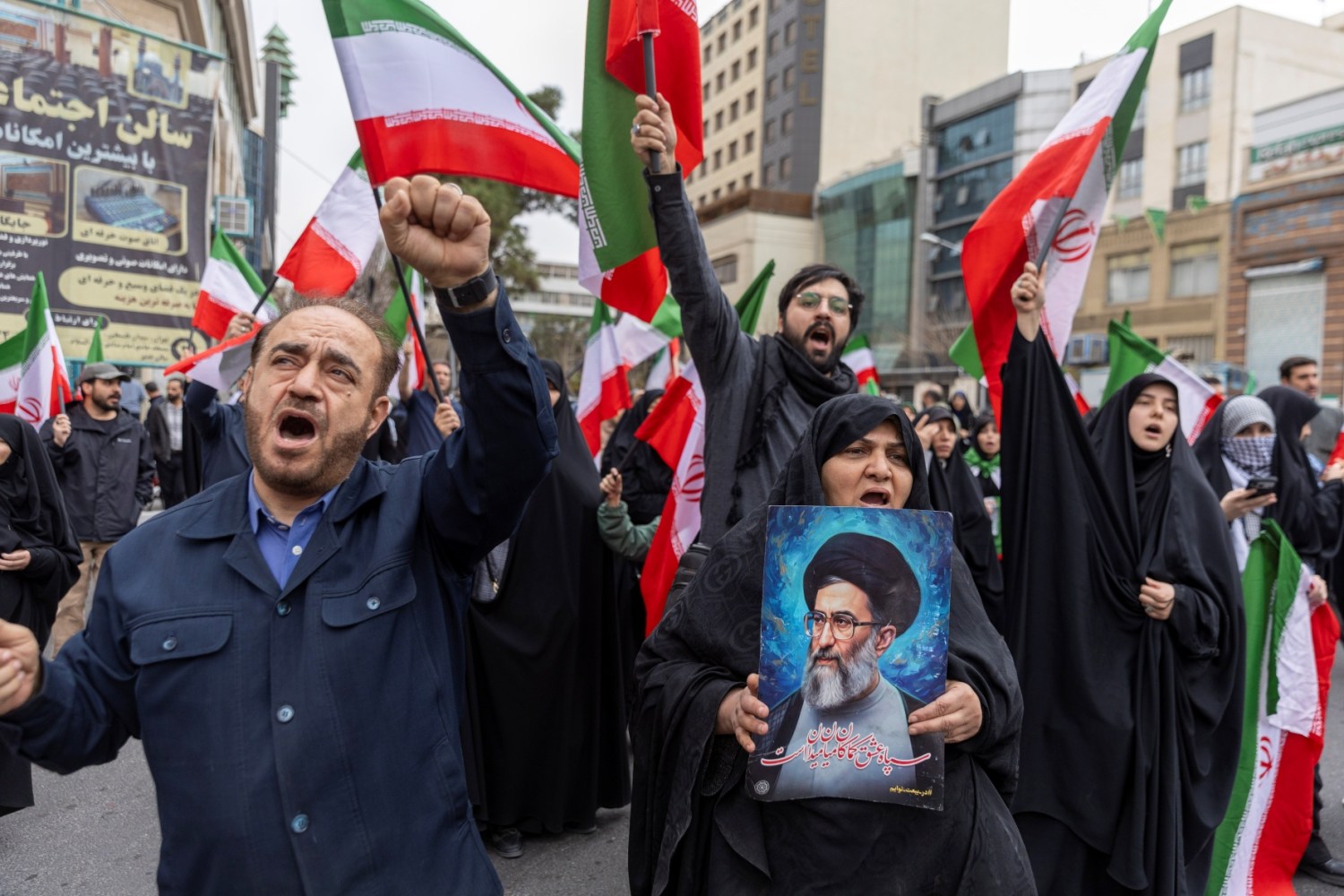
On Friday, February 28th, the US and Israel struck Iran, killing the supreme leader, Ayatollah Ali Khamenei. The attack was highly controversial; Iran claimed that one attack killed over 100 girls in an elementary school. Across the US, people protested while others celebrated. Khamenei has been the supreme leader of Iran since 1989, up until his assassination. He was negatively looked upon by many countries for his violation of human rights, as well as his support for the 9/11 terrorist attacks.
Some people assume that the death of Khamenei will solve the country's problems. However, unless additional action is taken, another supreme leader just as bad will take over. This is what happened in Venezuela when the US carried out a military operation, capturing Nicolas Maduro. In this case, Vice President Delcy Rodriguez took control.
Victim Conditions
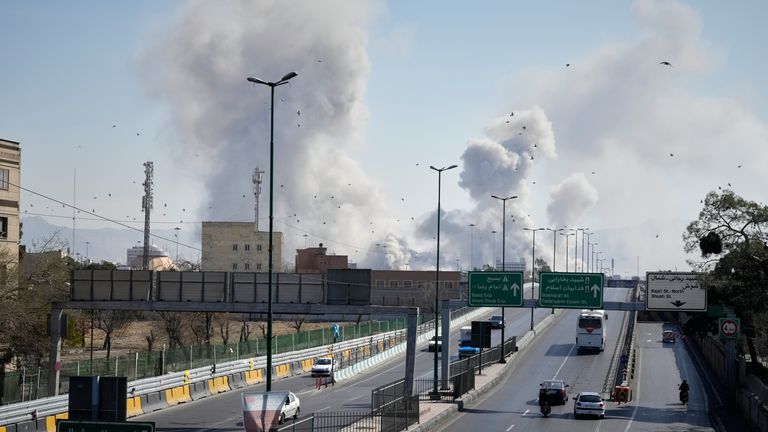
Iran's crackdown on protests has had a catastrophic effect on its citizens. During 48 hours from January 8th to January 10th, an estimated 7,000 citizens were killed, and families were broken apart.
A victim of the protests, Negin Ghamidi, was a 26-year-old woman studying biotechnology. Ghamidi lived in Sari, a city in northern Iran. On January 9th, Ghamidi’s family decided to attend a protest while on a visit to Tonekabon, a small city in northern Iran. As Gamidi’s family arrived, security forces shot tear gas and bullets, and the family was split apart. Ghamidi’s father survived; however, Ghamidi died in a hospital after being shot and burned alive by security forces.